

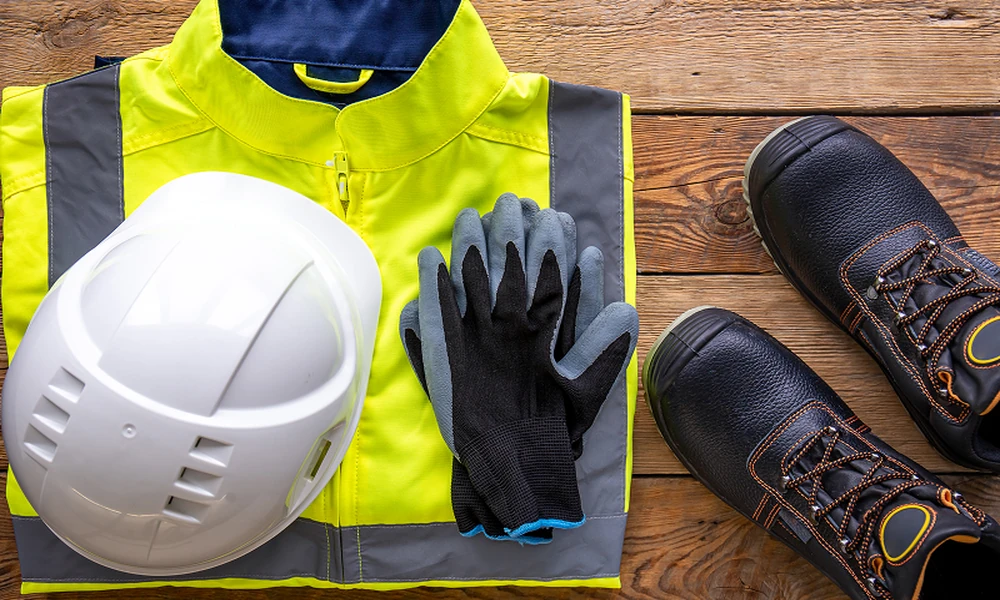
Personal Protective Equipment (PPE) is vital for worker safety across diverse industrial environments. Every sector presents unique operational hazards, meaning a single standardized safety kit is insufficient. A knowledgeable safety equipment supplier in Singapore supports safety managers by identifying specific risks, verifying compliance with regional regulations, and providing targeted protective gear.
Selecting appropriate safety equipment requires evaluating physical, chemical, and biological threats. Specialized safety providers assist businesses in navigating regulatory standards to ensure workers remain adequately protected.
What PPE Is Commonly Required on Construction Sites?
Construction environments expose workers to falling objects, heavy machinery, high noise levels, and elevated structural hazards. Industrial safety helmets with chin straps are required to protect against overhead impacts. High-visibility vests or jackets ensure workers remain visible to equipment operators in busy conditions.
Key protective items standard on construction sites include:
- Footwear: Safety boots featuring steel or composite toe caps and puncture-resistant midsoles to prevent foot injuries from sharp materials.
- Eye Protection: Impact-resistant safety glasses or goggles with side shields to block flying debris, dust, and sparks.
- Hearing Protection: Earplugs or earmuffs to mitigate damage from high-decibel heavy machinery.
- Fall Protection: Full-body harnesses, shock-absorbing lanyards, and anchorage connectors for work performed at heights.
A safety equipment supplier helps contractors select gear that meets local standards, such as SS513 for protective footwear. Proper gear selection reduces structural site incidents and ensures compliance with occupational safety laws.
What PPE Is Used for Manufacturing Hazards?
Manufacturing facilities present a wide range of operational risks, including moving machine parts, intense heat, electrical arcs, and sharp materials. Hand protection is crucial, requiring cut-resistant gloves made from synthetic fibers to safeguard against metal edges. Face shields combined with safety glasses protect operators during grinding, welding, or cutting activities.
| Hazard Type | Recommended Equipment | Primary Protection |
| Mechanical / Sharp Edges | Cut-resistant gloves (ANSI/EN388 rated) | Prevents lacerations and abrasions. |
| Thermal / Welding Sparks | Flame-retardant coveralls & welding shields | Guards against burns and UV radiation. |
| Excessive Machine Noise | Electronic or passive earmuffs | Prevents long-term occupational hearing loss. |
| Electrical Shock / Arc | Non-conductive, dielectric foot protection | Protects against electrical currents. |
Industrial safety vendors provide technical advice to ensure facilities choose equipment rated for their specific machinery hazards. Proper selection reduces mechanical injuries without restricting worker dexterity.
What PPE Is Needed When Workers Handle Chemicals?
Chemical handling requires specialized gear to guard against toxic fumes, corrosive liquid splashes, and airborne dust particles. Standard cotton or leather equipment is insufficient, as chemicals can penetrate permeable fabrics.
Essential equipment for hazardous material management includes:
- Respiratory Protection: Half-mask or full-face respirators equipped with gas cartridges or particulate filters.
- Chemical-Resistant Wear: Nitrile, neoprene, or butyl rubber gauntlets designed to resist specific chemical compounds.
- Body Protection: Impermeable coveralls or liquid-tight suits to shield skin from accidental splashes.
- Eye & Face Shields: Chemical splash goggles paired with full-face visors to prevent liquid contact with eyes and skin.
Working with an experienced safety equipment supplier in Singapore ensures that glove and respirator materials match the specific chemicals listed on Safety Data Sheets (SDS). Correct matching prevents material degradation and exposure incidents.
What PPE Is Used for Healthcare and Infection-Control Tasks?
Healthcare facilities prioritize infection control to protect personnel from bloodborne pathogens, infectious bacteria, and viral contaminants. Fluid-resistant surgical masks or N95 filtering facepiece respirators are necessary depending on airborne risk levels. Nitrile examination gloves offer tactile sensitivity while maintaining a barrier against biohazards.
Protective gowns, fluid-impervious aprons, and eye protection-such as anti-fog safety goggles-prevent mucosal contact with bodily fluids. Cleanroom-certified disposable footwear covers prevent cross-contamination across clinical zones. Suppliers assist medical procurement teams by maintaining reliable inventories of certified biological protection gear.
What PPE Is Commonly Used in Warehouses?
Logistics and distribution centers present hazards related to manual handling, forklift traffic, and falling inventory. Lightweight safety shoes featuring composite toe caps offer impact protection while reducing foot fatigue during long shifts. High-visibility vests ensure pedestrians are visible to material-handling equipment operators.
Grip-enhancing work gloves protect hands from cardboard friction, splinters, and pinch points. For automated or high-bay facilities, head protection such as bump caps guards against low-clearance structures. Specialized equipment suppliers evaluate warehouse workflows to recommend ergonomic gear that maintains high productivity alongside safety.
Frequently Asked Questions
How do suppliers assist in choosing correct PPE sizes?
Suppliers offer sizing guides, fitting samples, and on-site consultations to ensure protective gear fits correctly, maintaining safety and user comfort.
Why are local safety standards important when choosing equipment?
Local standards ensure that protective gear meets specific performance requirements tested for the regional regulatory environment.
How often should industrial protective gear be replaced?
Replacement schedules depend on manufacturer guidelines, wear and tear, chemical exposure, or damage incurred during an impact event.
Visit Ansac Technology and find equipment appropriate for your work environment.
