

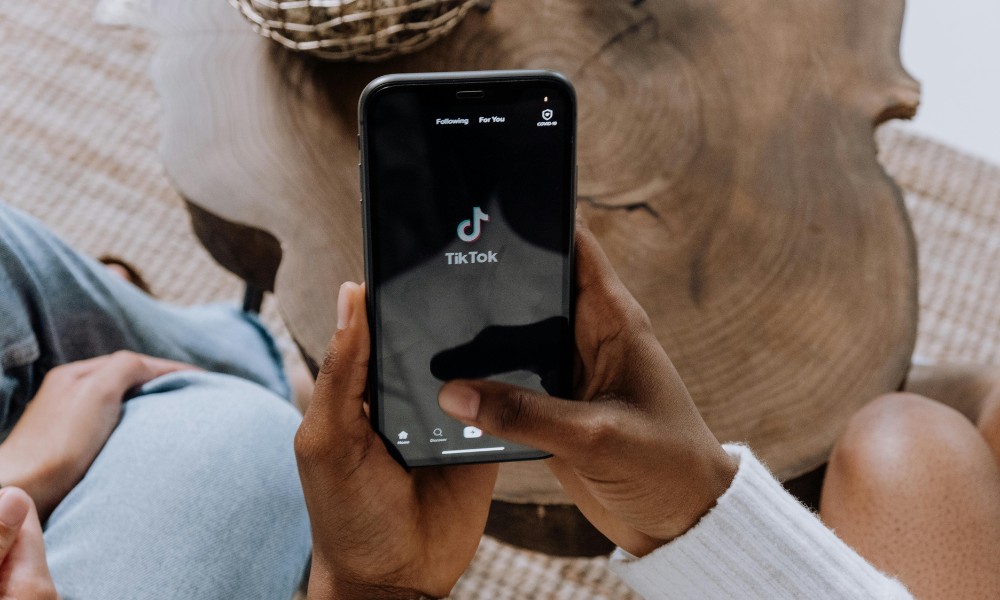
TikTok videos now move between phones, laptops, tablets, and desktop systems daily. Users save tutorials, entertainment clips, marketing references, and educational content for later access. Because people switch devices throughout the day, flexible downloading became more important than simple video storage.
A reliable tiktok downloader helps users access saved content smoothly across different screens, formats, and internet conditions. File compatibility, offline viewing, and faster transfers now influence how modern download platforms operate.
What makes flexible video saving more useful?
Internet quality still changes between locations, networks, and devices. Buffering problems interrupt viewing during travel, classes, or presentations. Flexible saving removes those interruptions and improves accessibility.
Several benefits explain growing demand:
- Offline media access
- Easier file sharing
- Better storage management
- Multi-device playback
- Faster content review
Unlike older downloading tools, newer platforms focus on smoother compatibility between operating systems and screen sizes.
Device compatibility changes viewing habits
Many viewers discover videos through mobile screens first. Later, they continue playback using tablets or desktop monitors. That shift requires formats that work across multiple systems without quality loss.
Here are common viewing situations:
|
Situation |
Benefit |
|
Traveling |
Videos remain accessible offline |
|
Editing projects |
Larger screens improve workflow |
|
Classroom sessions |
Playback continues without internet |
|
Team reviews |
Shared files simplify collaboration |
A reliable tiktok downloader keeps saved files usable across those environments. Users avoid repeated downloads and unnecessary conversion steps.
What makes browser-based download platforms practical?
Applications often consume storage space and processing power unnecessarily. Browser-based platforms remove installation requirements and simplify the saving process. Users only paste video links before selecting preferred formats.
Key features include:
- Resolution Selection
Different devices require different playback qualities for smoother viewing. - Quick File Transfers
Saved clips move easily between phones, tablets, and desktops. - Simple User Access
Most platforms work through browsers without technical setup. - Editing Convenience
Creators store reference clips before production or campaign planning.
Those functions improve workflow efficiency for both personal and professional use.
Flexible saving benefits different user groups
Social media managers often archive trending videos before campaign discussions begin. Fitness trainers save demonstrations before entering limited-network environments. Students also download educational clips before travel or long study sessions.
Casual viewers value portability and quick access during daily routines. Professional users focus more on editing compatibility and organized file storage. Both groups depend on flexible downloads for uninterrupted viewing experiences.
Why cross-device accessibility keeps expanding
Modern audiences rarely use one screen throughout the day. Phones help users discover content quickly, while desktops improve editing and presentations. Tablets provide comfortable viewing during travel and study sessions.
Flexible download platforms continue growing because users expect smooth access everywhere. Better compatibility, faster transfers, and offline viewing now define modern video consumption habits.
FAQs
Why do download platforms support multiple formats?
Different devices process media files through separate technical standards. Multiple formats improve playback compatibility across modern systems.
Can saved videos help professional content planning?
Yes, archived clips help creators study trends before launching campaigns or editing projects.
Why does offline access remain important?
Internet signals still weaken during travel, events, and crowded public spaces. Offline viewing prevents interruptions and buffering delays.
