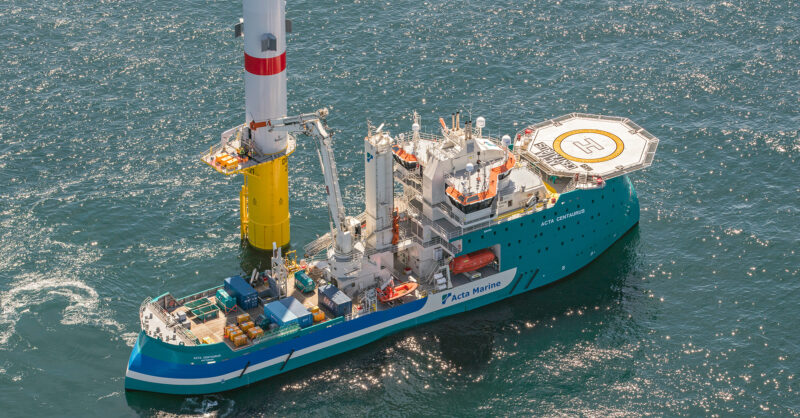
The rapid expansion of offshore wind energy has transformed the maritime support sector. As wind farms move farther from shore and operate year-round in demanding sea conditions, the need for specialized vessels has grown significantly. At the center of this evolution is the SOV vessel, or Service Operation Vessel, a purpose-built ship designed to support offshore wind farm maintenance safely and efficiently.
Unlike traditional offshore support ships, an SOV vessel is not simply a transport platform. It serves as a floating base of operations, accommodation hub, and technical support center for wind turbine technicians working offshore. These vessels combine advanced marine technology, intelligent motion-compensated systems, and high living standards to ensure safe transfers and comfortable living conditions during extended deployments.
This article takes you inside an SOV vessel to explore its technology, onboard comfort, and operational performance at sea. Whether you are a maritime professional, energy industry stakeholder, or student of offshore engineering, this guide provides a clear and comprehensive understanding of how these vessels function and why they are vital to renewable energy operations.
The Role of an SOV Vessel in Offshore Wind Operations
An SOV vessel is specifically designed to support offshore wind farms by transporting technicians, spare parts, and equipment to turbines located far from shore. Unlike smaller crew transfer vessels that operate on short daily trips, an SOV vessel typically remains offshore for extended periods, sometimes for several weeks at a time.
Its primary mission is to provide safe access to turbines for inspection, maintenance, and repair. This includes routine servicing, emergency repairs, and system upgrades. By staying close to the wind farm, the vessel reduces transit time and increases operational efficiency.
The SOV vessel functions as both a logistics platform and a living facility. It supports continuous maintenance operations, even in challenging weather conditions, ensuring that wind turbines remain productive and reliable.
Advanced Technology Onboard an SOV Vessel
Dynamic Positioning Systems
One of the most critical technologies inside an SOV vessel is the dynamic positioning system. This system uses satellite navigation, sensors, and thrusters to maintain the vessel’s position automatically without anchors.
Precise station-keeping is essential during technician transfers and maintenance operations. The dynamic positioning system compensates for wind, waves, and current, keeping the vessel stable alongside a turbine structure.
Reliable positioning enhances safety and reduces operational risk in offshore environments.
Motion-Compensated Gangway Systems
Perhaps the most distinctive feature of an SOV vessel is its motion-compensated gangway. This advanced transfer system connects the vessel to offshore wind turbine platforms, allowing technicians to walk safely between structures.
The gangway uses real-time motion sensors and hydraulic systems to counteract vessel movement. Even in moderate sea states, it adjusts continuously to maintain stable contact.
This technology significantly improves access safety compared to traditional transfer methods.
Integrated Control and Monitoring Systems
Modern SOV vessels incorporate integrated bridge systems that combine navigation, communication, and operational monitoring into a unified interface.
Real-time data from thrusters, engines, weather sensors, and transfer systems is displayed for crew awareness. Automated alarms and diagnostic tools enhance operational reliability.
Digital integration allows operators to manage complex tasks efficiently and safely.
Performance and Seakeeping Capabilities
Hull Design for Offshore Stability
The hull design of an SOV vessel is optimized for offshore wind farm conditions. Engineers focus on minimizing roll and pitch to enhance comfort and transfer stability.
Many SOV vessels feature specialized hull forms that improve seakeeping performance in rough waters. Reduced motion improves both operational efficiency and crew well-being.
Hydrodynamic efficiency also contributes to lower fuel consumption during transit.
Propulsion and Maneuverability
SOV vessels are equipped with powerful propulsion systems and multiple thrusters. These systems provide precise maneuverability when approaching turbine foundations.
Efficient propulsion design ensures reliable performance during extended offshore operations. Redundancy in power systems increases reliability and safety.
Strong maneuvering capability allows the vessel to operate safely in congested wind farm environments.
Endurance and Operational Range
An SOV vessel is designed for extended offshore stays. Large fuel tanks, freshwater systems, and storage capacity support weeks of continuous operation.
This endurance reduces the need for frequent port returns, maximizing maintenance time and reducing downtime for wind turbines.
Long operational range enhances overall project efficiency.
Comfort and Living Standards Onboard
Accommodation for Technicians and Crew
Unlike many traditional offshore vessels, an SOV vessel places strong emphasis on comfort. These ships accommodate technicians who may live onboard for several weeks.
Cabins are typically single-occupancy with private facilities. Quiet zones and comfortable furnishings help reduce fatigue.
Providing high-quality living conditions improves morale and performance during long deployments.
Recreational and Welfare Facilities
Modern SOV vessels include recreational areas such as lounges, gyms, and dining spaces. These amenities contribute to mental well-being and stress reduction.
Balanced meals, relaxation areas, and communication facilities help maintain a healthy onboard environment.
A focus on crew welfare reflects the long-term nature of offshore wind operations.
Safety and Medical Support
Safety systems are integrated into every aspect of SOV vessel design. Fire detection, life-saving equipment, and emergency response systems meet strict maritime standards.
Medical rooms and trained personnel provide first-line medical support offshore. Clear evacuation procedures ensure readiness for emergencies.
Comprehensive safety planning supports both crew and technician protection.
Environmental Performance and Sustainability
Energy-Efficient Systems
Many SOV vessels incorporate energy-efficient propulsion and power management systems. Hybrid solutions, battery assistance, and optimized engine loading reduce emissions.
Hull design and operational planning further improve fuel efficiency.
These measures align SOV vessel operations with the sustainability goals of offshore wind projects.
Emission Reduction and Regulatory Compliance
Environmental compliance is a key consideration in SOV vessel design. Exhaust treatment systems and low-emission engines reduce environmental impact.
Operators prioritize regulatory compliance to support renewable energy initiatives.
Sustainable vessel operations strengthen the overall credibility of offshore wind development.
Operational Workflow on an SOV Vessel
Daily Maintenance Operations
Each day onboard an SOV vessel follows a structured workflow. Technicians attend safety briefings before transfer operations begin.
Weather conditions are assessed, and dynamic positioning systems are activated. The gangway is deployed when safe.
Efficient coordination between bridge crew and technicians ensures smooth operations.
Coordination with Offshore Wind Farms
SOV vessels operate in close communication with wind farm control centers. Maintenance schedules, spare parts logistics, and technical updates are coordinated in real time.
Digital communication systems support seamless integration between vessel and shore operations.
Effective coordination enhances productivity and reduces downtime.
Challenges in Operating an SOV Vessel
Operating an SOV vessel involves complex challenges. Weather variability, turbine accessibility, and logistical planning require continuous adaptation.
Extended deployments demand strong crew management and welfare planning.
Technological complexity requires skilled personnel and ongoing maintenance.
Despite these challenges, the operational benefits of SOV vessels far outweigh limitations.
Frequently Asked Questions About SOV Vessels
What is an SOV vessel used for?
An SOV vessel supports offshore wind farms by transporting technicians, equipment, and spare parts while providing accommodation and maintenance facilities.
How long does an SOV vessel stay offshore?
SOV vessels can remain offshore for several weeks, depending on project requirements and supply logistics.
What makes an SOV vessel different from other support vessels?
It combines technician accommodation, motion-compensated gangways, and dynamic positioning systems in a single platform.
Is an SOV vessel environmentally friendly?
Modern SOV vessels are designed with fuel-efficient engines and emission reduction technologies to support renewable energy operations.
How do technicians transfer safely to turbines?
They use motion-compensated gangways that adjust to vessel movement in real time.
Are SOV vessels comfortable for long stays?
Yes, they are designed with private cabins, recreational facilities, and welfare amenities to ensure comfort during extended deployments.
Conclusion
The SOV vessel represents a critical advancement in offshore renewable energy support. By combining advanced positioning systems, motion-compensated gangways, and intelligent control technologies, it ensures safe and efficient access to offshore wind turbines. At the same time, its emphasis on comfort, welfare, and sustainability reflects the evolving demands of modern offshore operations.
Inside an SOV vessel, technology and human-centered design work together to create a reliable floating operations hub. From precise maneuvering capabilities to comfortable living conditions, every aspect of its design supports long-term offshore performance.
As offshore wind energy continues to expand globally, the importance of the SOV vessel will only grow. These vessels not only enable efficient turbine maintenance but also demonstrate how maritime engineering can adapt to support a cleaner, more sustainable energy future.